Carry-On vs Personal Item: Size Limits, Packing Differences & What Fits
Every US airline sets different size limits, and a bag that fits on United may not fit on Spirit. Here is what the rules actually say and how to pack for both.
Transparency notice: TrailNestCo is reader-supported. When you buy through links on our site, we may earn an affiliate commission at no extra cost to you. This never affects our rankings. Learn more →
The difference between a carry-on and a personal item is not just size — it determines where the bag goes (overhead bin vs under the seat in front of you), whether you pay extra, and whether the bag gets gate-checked on a full flight.
Every major US airline publishes different size limits, and budget carriers enforce them more strictly. This guide covers the actual policies, how bags are measured in practice, and what you can realistically fit in each.
US airline size limits compared
The following dimensions are the published limits as of 2026. All are linear inches (length + width + depth combined) unless otherwise noted. Always verify on the airline's website before travel, as policies change.
- American Airlines: carry-on 22×14×9 in (56×36×23 cm); personal item fits under the seat.
- Delta Air Lines: carry-on 22×14×9 in (56×36×23 cm); personal item 18×14×8 in (46×36×20 cm).
- United Airlines: carry-on 22×14×9 in (56×36×23 cm); personal item 17×10×9 in (43×25×23 cm).
- Southwest Airlines: carry-on 24×16×10 in (61×41×25 cm); no checked bag fee for first two bags.
- Spirit Airlines: carry-on max 22×18×10 in (56×46×25 cm); personal item 18×14×8 in (46×36×20 cm). Carry-on fees apply — personal item is always free.
- Frontier Airlines: carry-on 24×16×10 in (61×41×25 cm); personal item 18×14×8 in (46×36×20 cm). Carry-on fees apply on basic fares.
- JetBlue: carry-on 22×14×9 in (56×36×23 cm); personal item 17×13×8 in (43×33×20 cm).
How airlines actually measure bags
Most airlines use a carry-on sizer box at the gate — a metal frame matching the maximum dimensions. If your bag fits in the frame with handles and wheels compressed, it passes. Soft-sided bags flex slightly and often pass even if technically oversized; hard-sided bags that exceed the limit will fail.
Gate agents enforce strictly on full flights, especially at budget carriers. If overhead space is full, agents begin gate-checking bags — even bags that meet size requirements. Gate-checking is free but means waiting at baggage claim.
In practice, most major airlines do not proactively measure carry-ons unless the bin is obviously full or the bag is clearly oversized. Budget carriers (Spirit, Frontier, Allegiant) are more aggressive because carry-on fees are a revenue line.
What fits in a personal item
A personal item at 18×14×8 in accommodates more than most travelers expect. Typical contents that fit: a 13-inch laptop with sleeve, a change of clothes, toiletries bag, chargers and cables, headphones, a book, and a small jacket.
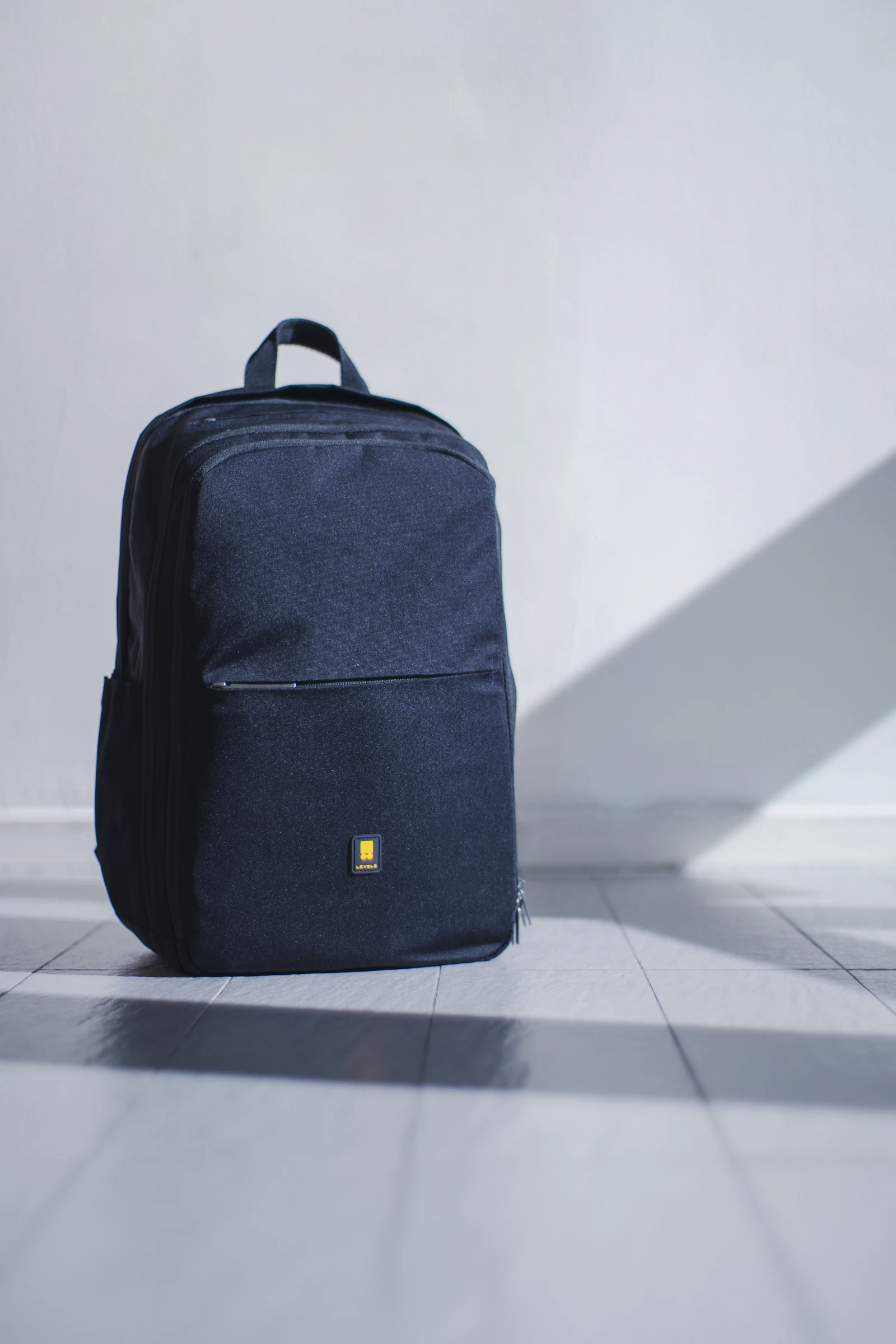
Bags designed specifically as personal items include: 20–25L daypacks that compress to under the seat, women's large totes (many sit at exactly 17×13 in), slim laptop bags, and camera bags under 20L.
What does not fit: full hiking daypacks (30L+), full-size camera bags, standard backpacks without compression, and anything that creates a rigid shape too wide for the under-seat space.
What fits in a carry-on
- A week of clothes with efficient packing (packing cubes, rolled garments): achievable in 40L.
- A laptop and accessories: standard in any carry-on side pocket.
- Toiletries: TSA 3-1-1 bag fits all liquids (3.4oz / 100ml containers, 1 quart bag).
- Shoes: one extra pair adds significant volume — roll them in a bag and pack around them.
- What cannot go in carry-on: liquids over 3.4oz, razor blades, tools over 7 inches, firearms, and anything flagged by TSA security. Full TSA prohibited items list at tsa.gov.
One-bag travel: carry-on only vs carry-on plus personal item
Traveling with only a carry-on (no personal item) leaves maximum overhead bin space for your bag. On a full flight this matters — overhead bins fill from front to back, and late boarding means your carry-on may get gate-checked.
Using both allowances (carry-on + personal item) gives you the most total volume without checking a bag. The personal item goes under the seat in front of you, reducing your leg room slightly but keeping both bags in the cabin.
For trips under 5 days: a single 30–40L carry-on or a personal item plus a small carry-on handles most wardrobes. For 7–14 days: carry-on plus personal item is the efficient maximum before a checked bag becomes necessary.
Frequently asked questions
Do backpacks count as personal items?
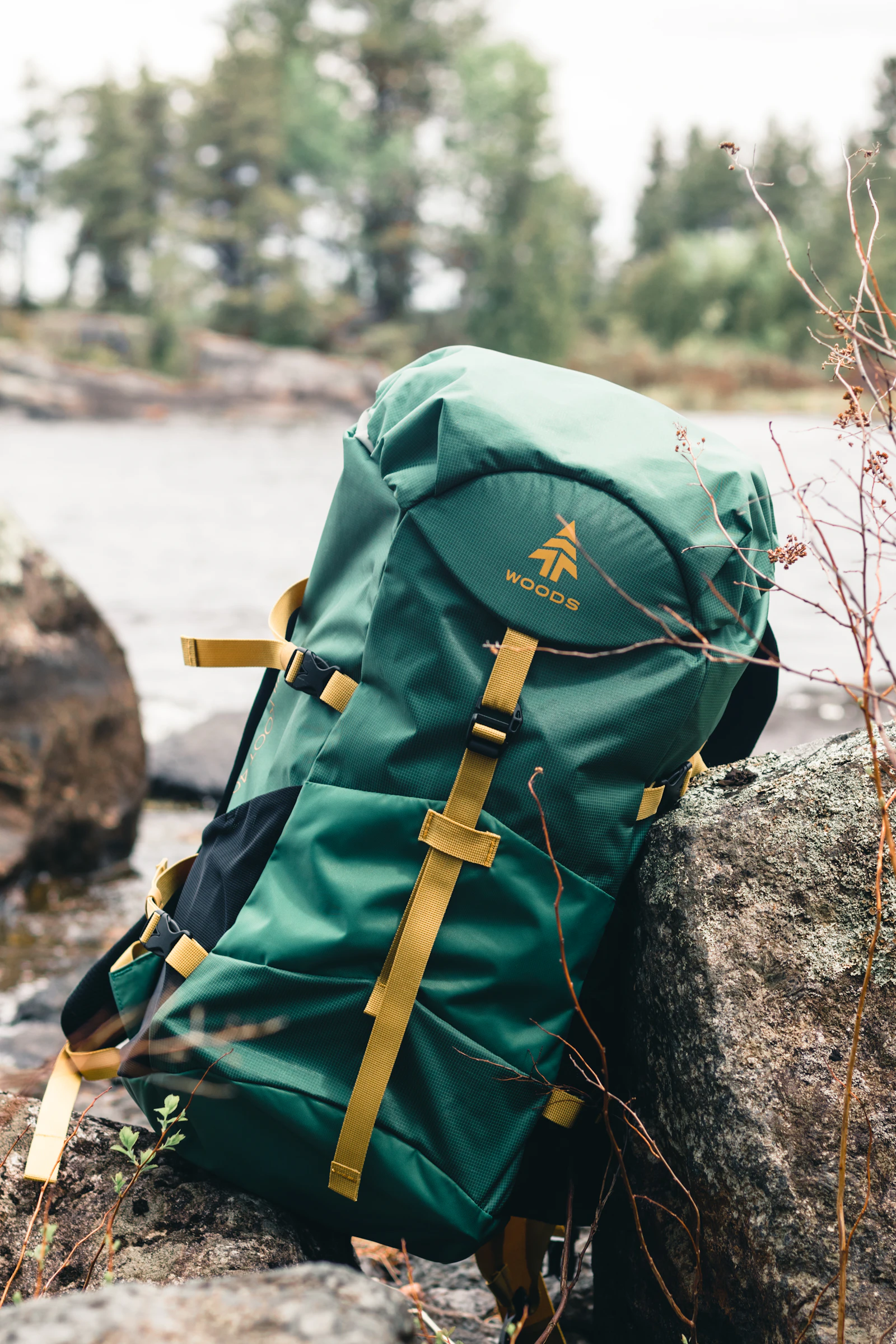
Yes, if they fit under the seat. Most airlines accept backpacks as personal items if they meet the size limit (typically 18×14×8 in or similar). A 20–25L daypack that compresses is ideal. A 45L hiking pack is a carry-on, not a personal item.
Can I put my personal item in the overhead bin?
Technically yes, but it is bad practice. Overhead bins are intended for carry-ons — putting a personal item overhead takes space from someone with a full carry-on. Flight attendants may ask you to move it under the seat if the bin is full.
What happens if my carry-on is too big?
If caught at the gate, airlines typically charge a checked bag fee ($30–$75 depending on carrier) and gate-check the bag to the hold. You collect it at the jetway or baggage claim. Spirit and Frontier are known for strict enforcement and high carry-on fees — verify your bag dimensions carefully before flying these carriers.
Is a personal item always free?
On most major US carriers, yes — American, Delta, United, Southwest, and JetBlue include one personal item for all fare classes. Spirit and Frontier also include a personal item for free, but charge for carry-ons on basic fares.
Related reading
Explore more
More from Travel & EDC
Independent editorial research. Zero pay-to-play.